The Ultimate Guide to Finding the Right Shoulder Pad for Modern Tailoring
Find out why Aysha Shoulder Pad is the premium shoulder padding for top garment exporters and fashion brands. Discover how we deliver unparalleled performance for jacket and overcoat shoulder pads with our advanced manufacturing & technology: 3- to 5-layer needle-punch, precision-engineered, coupled with robust sleeve-roll solutions.
Perfect Garment Structure: Why Every Tailored Masterpiece Relies on the Right Shoulder Pad Foundation
When we are greeted by a perfectly tailored suit, a smart winter overcoat, or a beautifully fitted blazer, we immediately take notice of the outer veil, the depth of color, or the sharp stitching. But the real secret to how a garment hangs, flows, and keeps its shape is completely below the radar. The backbone of modern tailoring rests almost entirely on internal engineering. Of all the elements that lend clothes their structure, none is more essential than the good old shoulder pad.
Over the past several years, the apparel manufacturing industry has gone from coarse stuffing materials to high-precision engineering. Today, some of the most prestigious brands and global exporters are paying careful attention to how each shoulder pad alters the line of an entire garment. Yet, whether you are making a crisp corporate suit or an easy, unstructured blazer, the shoulder pad should be on par with or break the end product.
Evolution of Garment Construction and the Role of Internal Shaping
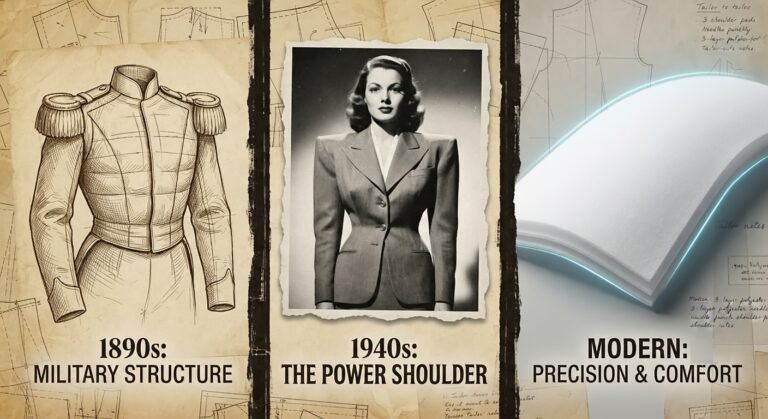
Clothing has always been more than mere physical protection; it expresses identity, power, and elegance. From the beginning of time, tailors have used (or even abused) every method available to highlight the human body in search of a dominating silhouette. In the 1800s, military uniforms featured rigid canvas and thick stuffing that conveyed an air of authority and strict posture. Hollywood starlets and power-suit innovators further developed the broader, more defined lines of fashion into true art forms as we moved into the mid-20th century.
Central to this structured shape is the modern shoulder pad. Through decades of textile evolution, manufacturers then recognized that a shoddy-made insert would buckle, lump, or lose its loft after just a few dry cleanings. This event kick-started a revolution in material science and automated manufacturing. Unlike historical hand-cut materials, which vary in accuracy, modern garment makers use only properly cut fabric. Instead, they ask for precision-engineered solutions of high-tech synthetic fibers and multi-layer needle-punch technology.
Quality Remanufacturer Anatomy: What Makes a Superior Insert?
If you’ve ever wondered how some clothes look pristinely sharp while others stretch out of shape over time, you need to take a peek behind the physical architecture of quality in an insert. Usually, a good shoulder pad won’t be as thick as a bath sponge. Still, it is a delicate combination of layers that subconsciously flattens the transition from neck to sleeve head.
The Power of Multi-Layer Technology
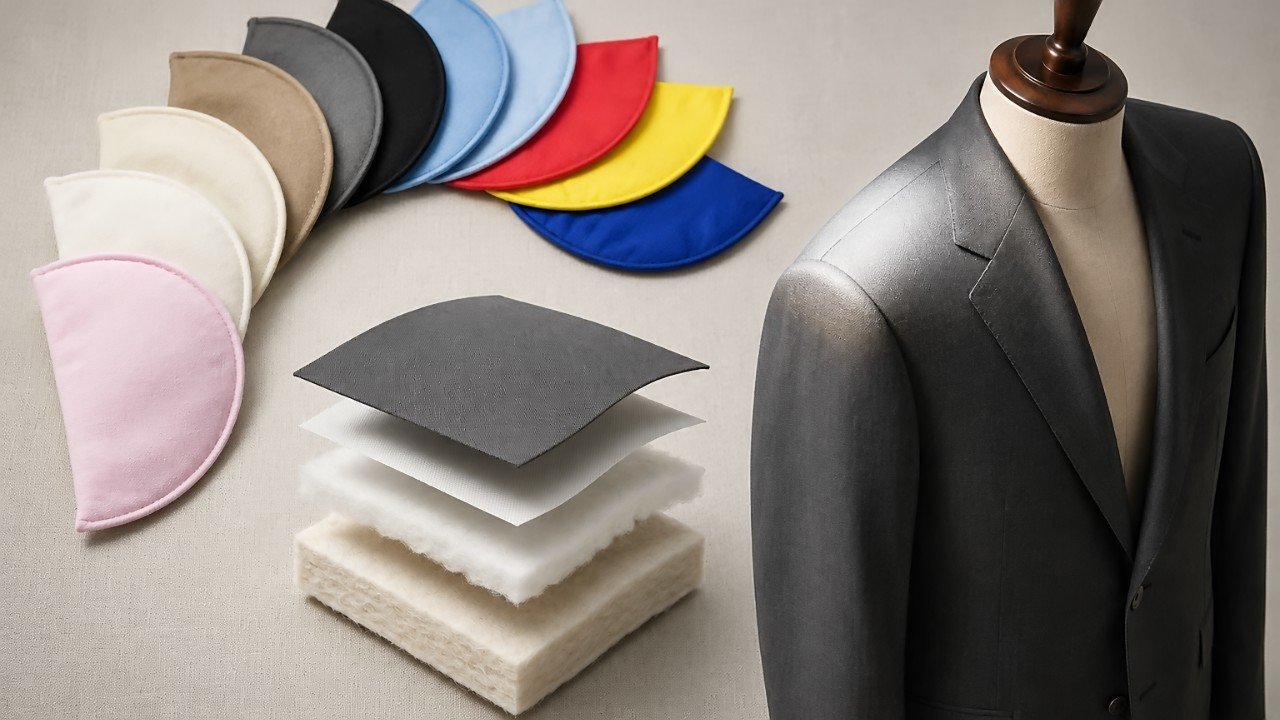
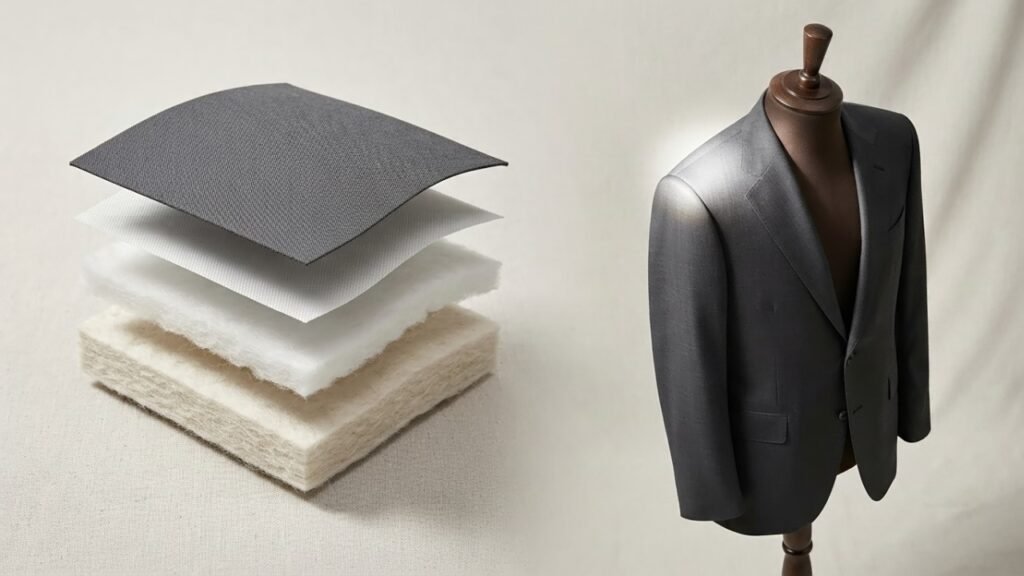
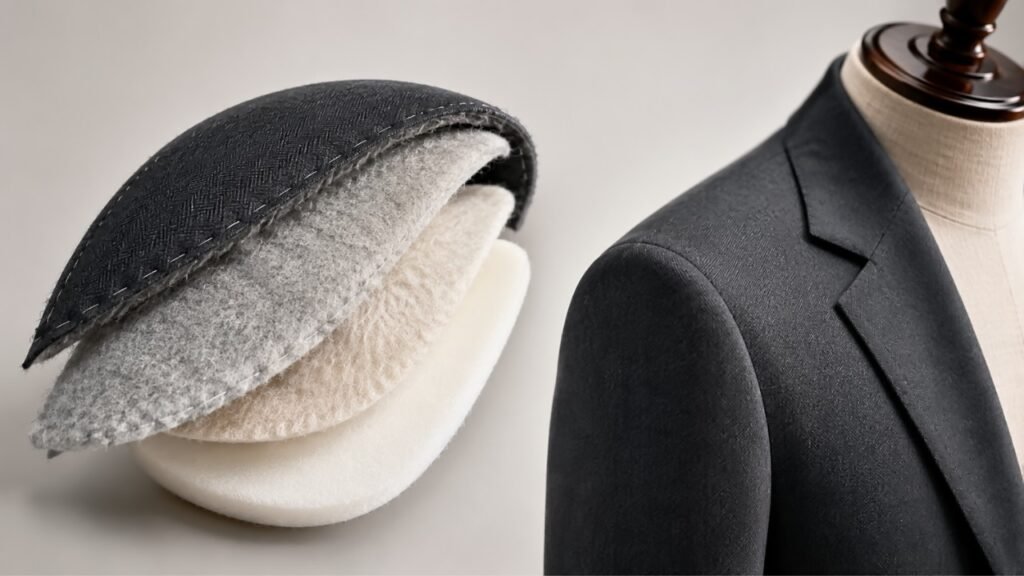
3–5-layered structures are now used in advanced manufacturing facilities. The intermediate layers have a distinct function:
The Core Foundation: Offers the essential lift and loft needed to support bulky outer fabrics such as wool, tweed, or heavy cotton.
The Transition Layer: Softens the edge and ensures that no hard line is visible through the jacket’s outer shell.
The Covering Fabric: Neatly covers the internal construction, preventing friction and enabling the jacket lining to slide smoothly over the shoulder pad.
The composite of these layers, when fused (or stitched) together by automated machinery in mass-market components, is durable enough to withstand years of wear and professional cleanings.
The Hidden Hero: Sleeve Rolls and Their Complementary Role
The top roll, which is provided by the main structural insert, handles the upper lift of any garment, but then that garment is propelled into the sleeve, and that’s a job for an equally specialized part: the sleeve roll. A sleeve roll is typically used in combination with a main shoulder pad, filling the hollow curve at the top of your armhole to eliminate undesirable dimples and cloth collapse.
The best suit in the world can look like an empty shell at the join if you don’t have a good sleeve roll. Laid atop a precision-gauged shoulder pad, the sleeve roll creates the continuous line that defines exquisite tailoring. Each component’s purpose within the jacket is that of a skeletal structure–they support and provide form to the artistic vision envisioned by its designer.
Why Sourcing Matters for Garment Exporters and Brands
This is exactly why consistency matters in the fast-moving world of ready-made garments (RMG). Apparel brands, buying houses, and export houses are very sensitive to margins and time. Inadequate manufacturing of internal components could lead to entire batches being rejected, costing brands thousands in losses and ruining a reputation that took decades to build.
These are risks that you can avoid by sourcing from a trusted, specialized manufacturer. Teaming with an industry titan who employs fully automatic precision manufacturing (every single shoulder pad hits the specific dimensional tolerances—down to the millimeter). You might want a 0.8 cm depth or even a 6.29 inch span, but the critical element is that for thousands of pieces to be similarції
Introducing Aysha Shoulder Pad: Excellence in Every Stitch
Located at the center of Bangladesh’s booming textile and garment accessories sector, Aysha Shoulder Pad has established itself since 2009 as a reliable supplier to local and international brands. The company specializes in 3-5-layer raglan pads, sleeve rolls, and fabric-covered foam with advanced technical skills—and a non-negotiable proposition.
Aysha Shoulder Pad is a breath of fresh air in the crowded fashion market as a brand that believes in modern, automated manufacturing. They use 100% polyester needle-punch technology, offering lightweight yet long-lasting solutions. Each and every shoulder pad manufactured is scrutinized for quality—from the raw materials to the end-user dimensions—guaranteeing that your garments retain their beautiful structure from the factory floor to the retail rack.
Key Benefits of Partnering with Aysha Shoulder Pad
When you choose to source your internal garment components from Aysha Shoulder Pad, you gain distinct competitive advantages:
Unmatched Consistency: Automated production lines ensure that every batch meets your requirements, eliminating grinding on the assembly line.
Cost-Effective Innovation: Brands can access premium, international-standard quality without straining production budgets thanks to high-volume capabilities.
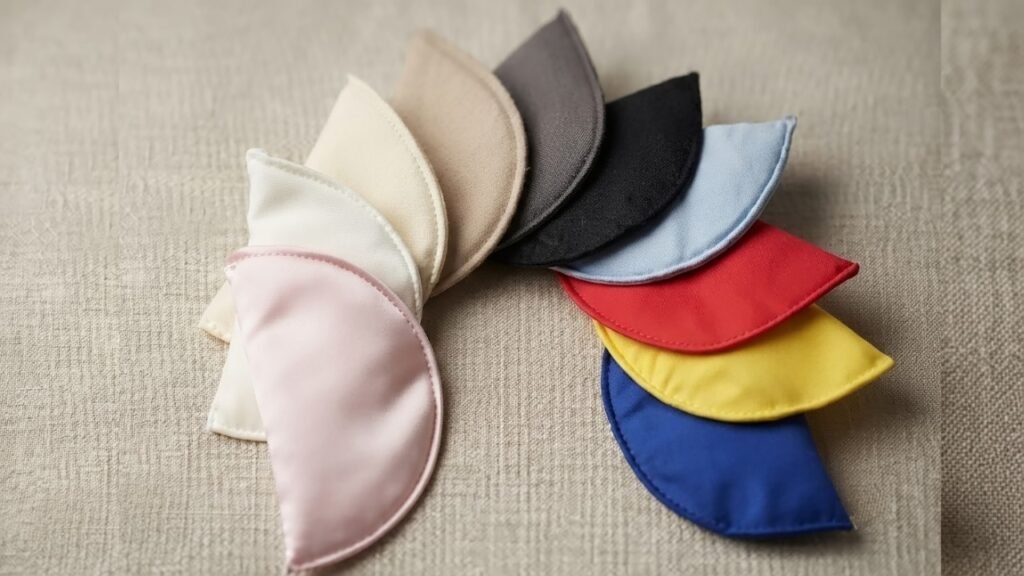
Customized Solutions: Given the fabric weight and style needs, a wider range of patterns is available, from lightweight summer jackets to heavy winter overcoats.
Reliable Supply Chain: Timely delivery schedules ensure your production lines are never halted by missing accessories.
Elevating Your Garment Line Today
Never before has the fashion and apparel market been so competitive. Consumers have become particular, prioritizing color, finish, and durability. A garment that cannot hold its shape after one season soon loses its devoted following. Investing in a reliable internal structure will see your brand stand for quality and timeless beauty.
You do not have to sacrifice the hidden details that make up luxury tailoring. Supply your production lines with components designed for perfection. See what precision manufacturing, strict quality control, and serious craftsmanship can mean for your next project.
Aysha Shoulder Pad is your go-to manufacturing partner for that perfect pad. For bulk order discussion, product sample requests, and to take your apparel up a notch – get connected with the team today!

Frequently Asked Questions (FAQs) About Shoulder Pads
What are the main benefits of using a 3-to-5-layer shoulder pad in modern jackets?
A: Multi-layer shoulder pads give a natural, progressive slope from the neck to the sleeve head. They provide the perfect mix of lightweight comfort and solid structure, helping jackets and overcoats hold their tailored shape through regular use and professional dry cleaning.
How do I choose the correct shoulder pad thickness for my garment type?
A: The thickness is determined solely by the weight and fit of the fabric. Thin, more breathable foam pads (0.5 cm or less) are generally used for lightweight summer blazers, while thicker designs (3–5-layer needle-punch) with denser foam provide a sharper structure and are better suited for heavier winter overcoats and corporate suits.
What is the purpose of combining a shoulder pad with a sleeve roll?
A: A shoulder pad raises and accentuates the shoulder’s top-edge line, while a sleeve roll fills in the dip right at the armhole seam. Combined, they avoid fabric caving, eliminate puckering, and give a smooth, professional line at the sleeve head without unsightly dimples.
Why are Aysha Shoulder Pad products preferred by garment exporters in Bangladesh?
A: Aysha Shoulder Pad is produced with fully automatic precision manufacturing and 100% polyester needle-punch. This consistency ensures rigid dimensional uniformity across thousands of bulk pieces, eliminating assembly-line bottlenecks and helping brands meet international quality standards.
Are these shoulder pads resistant to deformation during dry cleaning?
A: Yes. These inserts are made with high-quality polyester and use sophisticated needle-punch technology, which means they are designed to maintain their original shape, resilience, and structure through repeated washes or dry-cleanings.